Warbird RC aircraft guide: speed, wing loading and landing discipline
What customers should know before buying a scale warbird: pilot skill, wing loading, retracts, flaps, power, runway and landing speed.
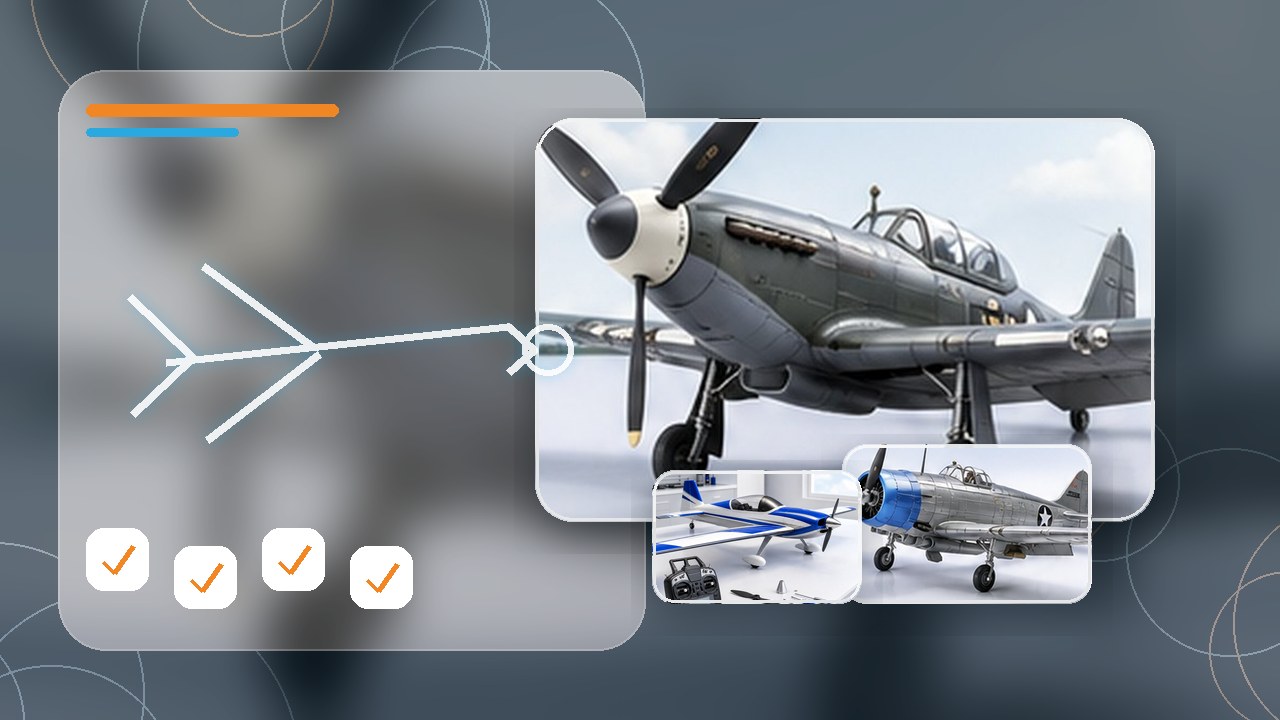
Warbirds look scale and fly less forgiving
Warbirds are attractive because they look like real aircraft, but many have smaller wings, heavier airframes and higher landing speeds than trainers. They reward smooth pilots and punish late corrections.
Before buying, the customer should already be comfortable with takeoff direction, coordinated turns, speed control, approach planning and landing in a defined area.
Wing loading changes everything
Higher wing loading means the aircraft must keep enough speed in turns and on final approach. Pulling too hard at low speed can lead to an abrupt stall, especially when banked.
Flaps can help landing speed and approach angle, but only when they are installed, programmed and tested correctly. They are not a replacement for a good approach.
Retracts and scale details need planning
Retractable landing gear, doors, scale props and detailed cowls add realism, but they also add setup work and possible failure points. Runway quality becomes more important.
Check spare retract parts, wheel size, landing gear mounts, propeller clearance and whether the field surface matches the model.
Power and CG should stay conservative
A warbird needs reliable pull and good throttle response, not only maximum speed. The motor, ESC, battery or engine should be matched to the recommended propeller and expected flight weight.
CG should be set carefully and moved only in small steps after flight testing. A tail-heavy warbird can become difficult very quickly.
Warbird buying checklist
- Pilot already lands sport aircraft reliably
- Runway surface suits retracts and wheels
- Wing loading and stall behavior understood
- Flaps and retract channels available
- Spare propeller and landing gear parts available
- Recommended power system confirmed
- CG and control throws documented
- Low-rate first flight planned
Common questions
Is a warbird a good first RC aircraft?
Usually no. Most warbirds are faster and less forgiving than trainers, so they are better after the pilot can land consistently.
Why do warbirds land faster?
Many have higher wing loading and scale wing shapes, so they need more airspeed to stay comfortably controlled on approach.
Electric or fuel warbird?
Electric is cleaner and simpler for many pilots. Fuel offers sound, endurance and scale character, but needs more support equipment and tuning.
Relevant products from the catalog
Use these links as the practical buying path after reading the guide: aircraft, power system parts, tools and spares that usually complete the setup.