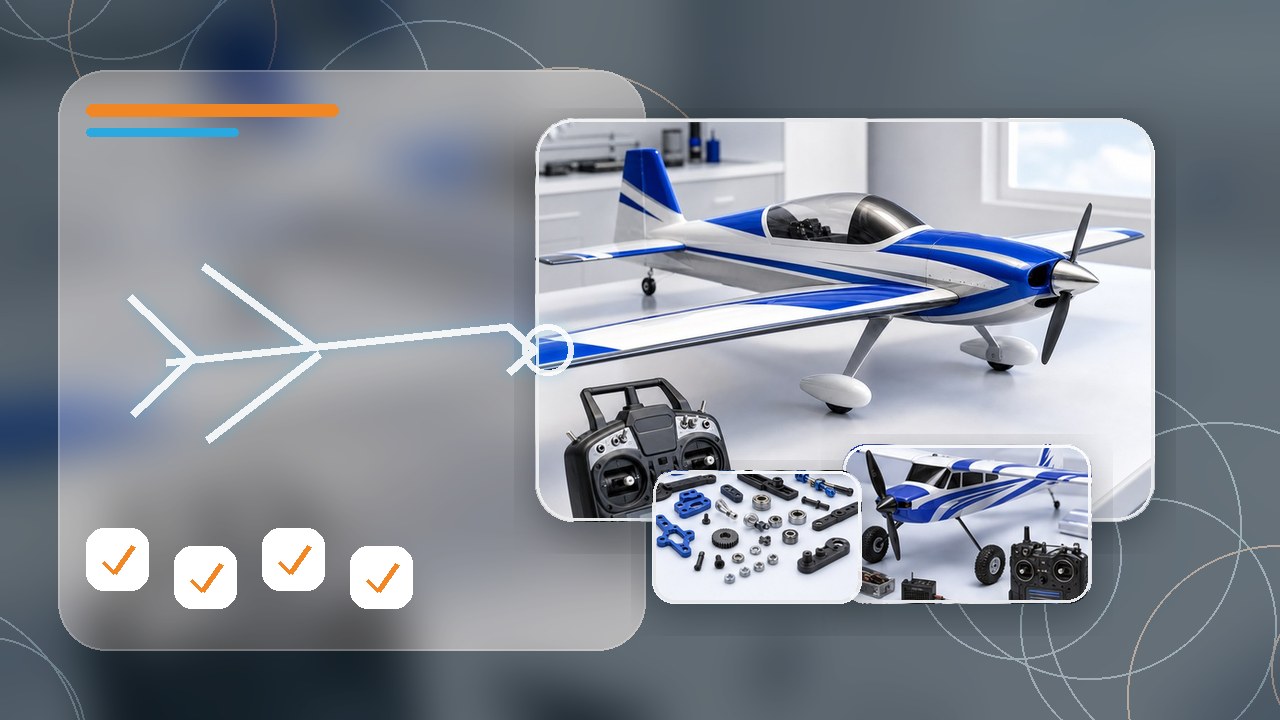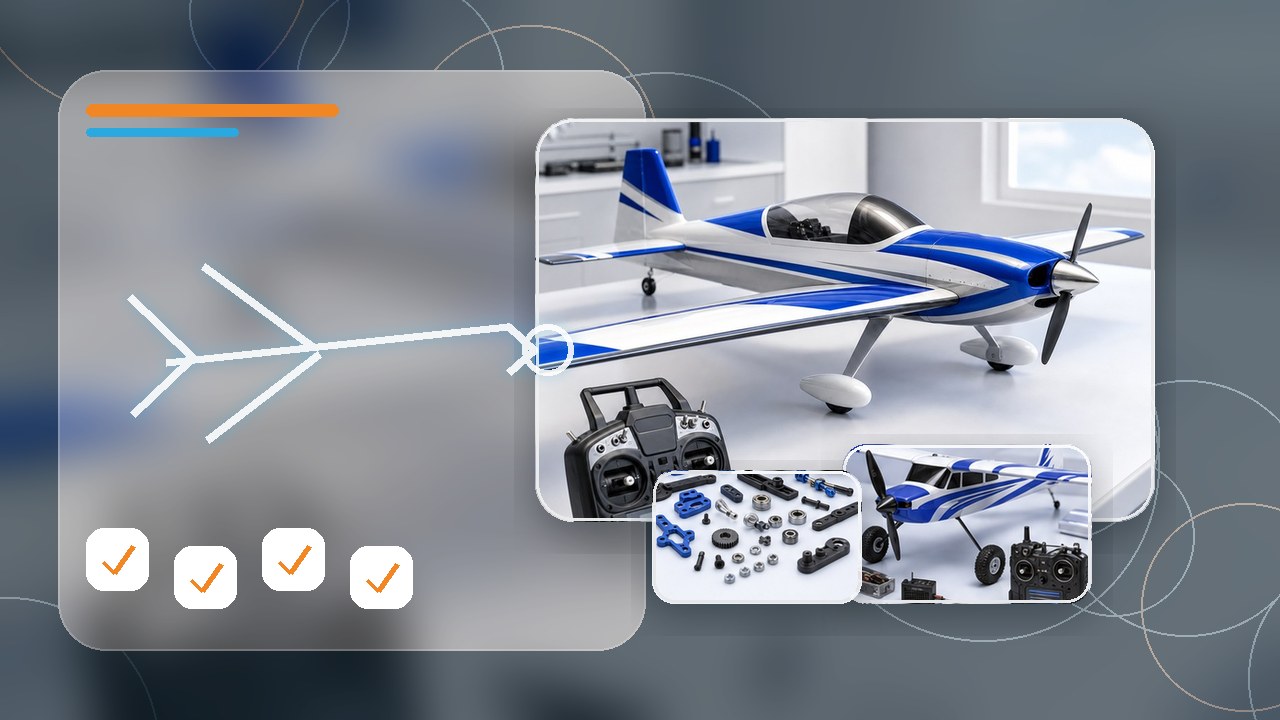
How to bind an RC transmitter and receiver
A practical binding guide for matching protocol, bind mode, receiver power, model memory, control checks and common binding mistakes.
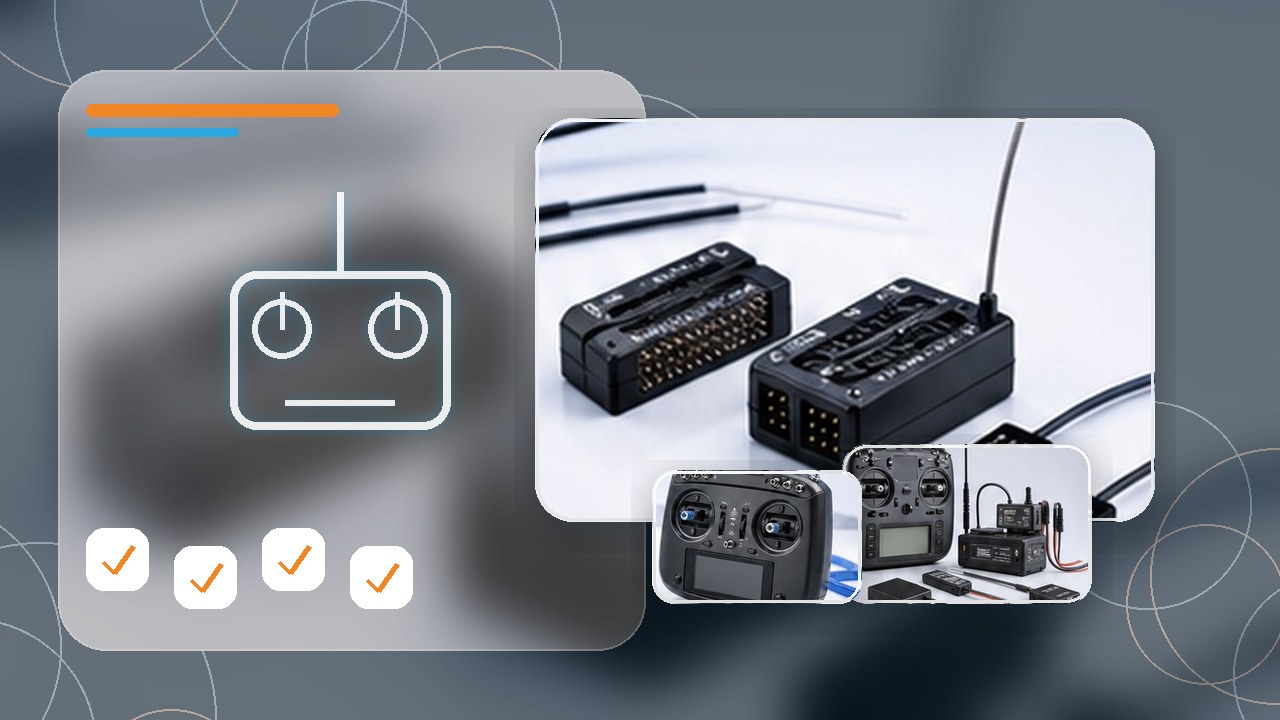
Compatibility comes before bind mode
Binding works only when the transmitter and receiver use a compatible protocol. Brand names alone are not enough because many brands have several receiver families and radio modes.
Before binding, confirm the receiver type, firmware or protocol mode, model memory and whether telemetry or stabilization settings need a specific bind process.
Bind safely on the bench
Remove the propeller on electric aircraft before radio setup. Power the receiver correctly, place the transmitter in bind mode and follow the receiver instructions for its bind button or bind plug.
Keep the transmitter close enough for binding but follow the manufacturer guidance. Some systems prefer short distance, while others warn against touching antennas together.
Binding is not the end of setup
After binding, check channel order, control direction, servo movement, throttle behavior, telemetry and failsafe. A successful bind only means the link exists.
Label or name the model memory clearly so the transmitter is not accidentally used on the wrong aircraft.
Binding checklist
- Protocol compatibility confirmed
- Correct model memory selected
- Propeller removed for electric setup
- Receiver powered correctly
- Bind mode completed
- Control direction checked
- Telemetry checked if used
- Failsafe configured after binding
Common questions
Why will my receiver not bind?
Common causes are wrong protocol, wrong firmware mode, low receiver voltage, wrong bind procedure or choosing the wrong model memory.
Do I need to rebind after changing settings?
Sometimes, especially after protocol changes, receiver replacement or failsafe changes. Follow the radio system instructions.
Is binding the same as range checking?
No. Binding creates the radio link. A range check verifies reliable reception after installation.
Relevant products from the catalog
Use these links as the practical buying path after reading the guide: aircraft, power system parts, tools and spares that usually complete the setup.