Trainer aircraft buying guide for new RC pilots
How to choose a forgiving RC trainer with the right wing layout, power system, radio gear, spare parts and first-flight setup.
What makes a trainer easier to fly
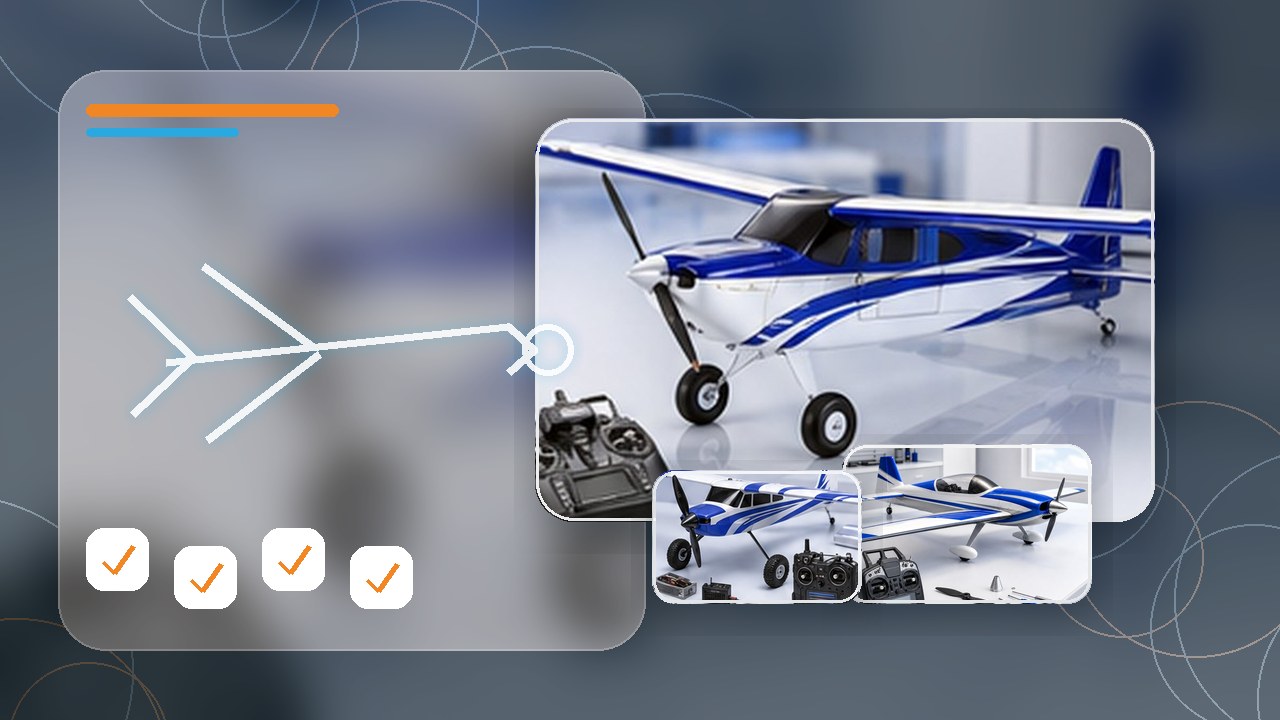
A good trainer gives the pilot time to think. High-wing layouts, moderate wing loading, clear orientation colors and predictable stall behavior help new pilots recover from small mistakes before they become crashes.
The best first trainer is not the largest or fastest model. It is the aircraft that launches, turns, slows down and lands in a calm way, with spare parts available when learning damage happens.
Package choice matters for beginners
RTF can be a simple path when the included transmitter, receiver, battery and charger are suitable. PNP can be smarter when the customer already owns good radio gear and wants to choose batteries or receivers separately.
ARF trainers are excellent for pilots who want to learn assembly, but they require correct servo, receiver, motor, ESC, battery and propeller choices. For a first purchase, clarity is more important than saving one item from the box.
Electric, fuel and practical field use
Electric trainers are usually easier for new pilots because setup is quick, maintenance is light and power is consistent. Fuel trainers can be very capable, but they require starting equipment, tuning knowledge and more field support.
Check the flying site before buying. Grass fields, short runways, hand launch space, wind and instructor availability can change which trainer is the right choice.
Setup for the first flights
Use low rates, moderate expo, correct CG, a range check and a real control direction check before takeoff. A trainer is forgiving only when it is built and programmed correctly.
For customers, the most useful first order usually includes the trainer, recommended batteries, charger, spare propellers, battery checker, glue and the basic tools needed for field adjustments.
Trainer buying checklist
- High-wing or very stable layout
- Clear top and bottom color contrast
- Recommended battery and propeller confirmed
- Radio package or receiver compatibility checked
- Spare propellers and landing gear parts available
- CG location and control throws documented
- Low rates and expo planned
- Instructor or buddy-box option considered
Common questions
Is a trainer boring after the first month?
No. A good trainer remains useful for practice, relaxed flying, touch-and-go landings and teaching another pilot later.
Should a first trainer be foam or balsa?
Foam is usually easier to repair and transport. Balsa trainers fly beautifully and can be stronger in the right areas, but they need more careful repair work.
Can I start with a low-wing sport model instead?
Some stable sport models can work with instruction, but a purpose-built trainer normally gives a safer and more confident first season.
Relevant products from the catalog
Use these links as the practical buying path after reading the guide: aircraft, power system parts, tools and spares that usually complete the setup.