
How to choose your first RC aircraft
A practical path for new pilots: Trainer, Glider, Warbird, 3D, EDF Jet, ARF, PNP, RTF, power system, radio gear and what to verify before buying.
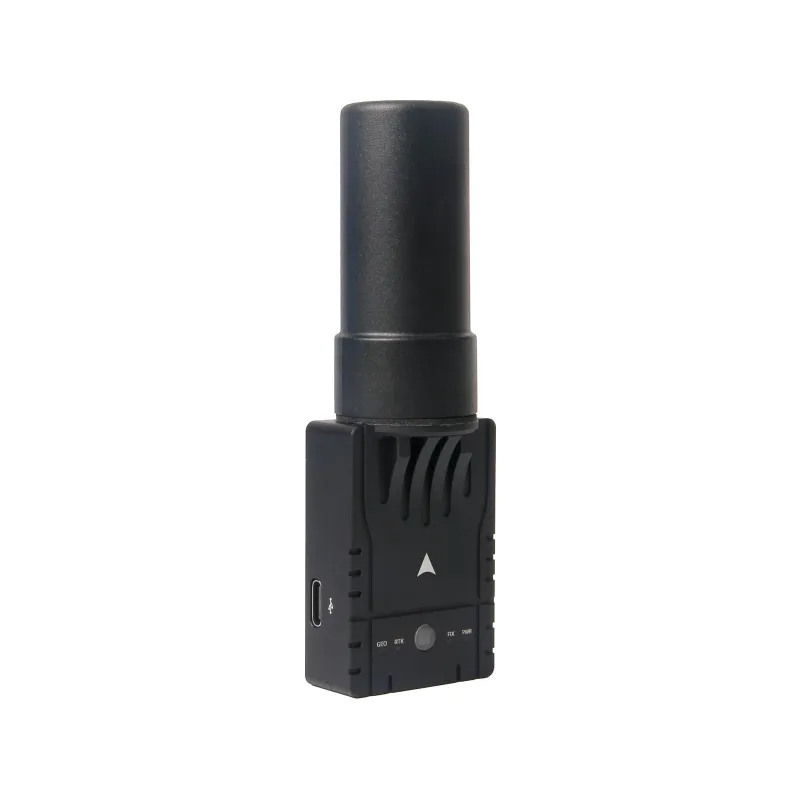
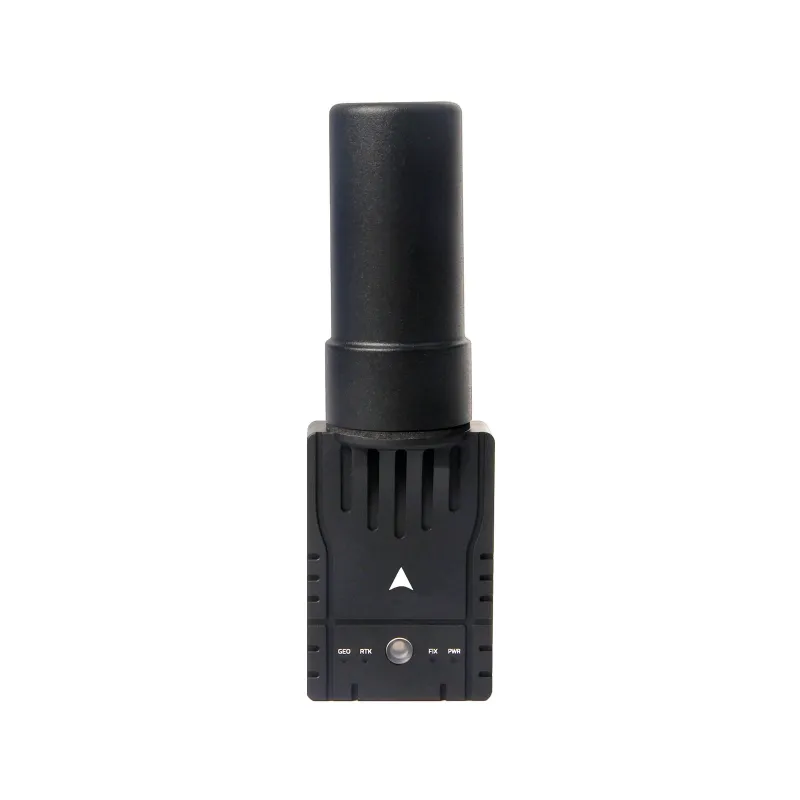
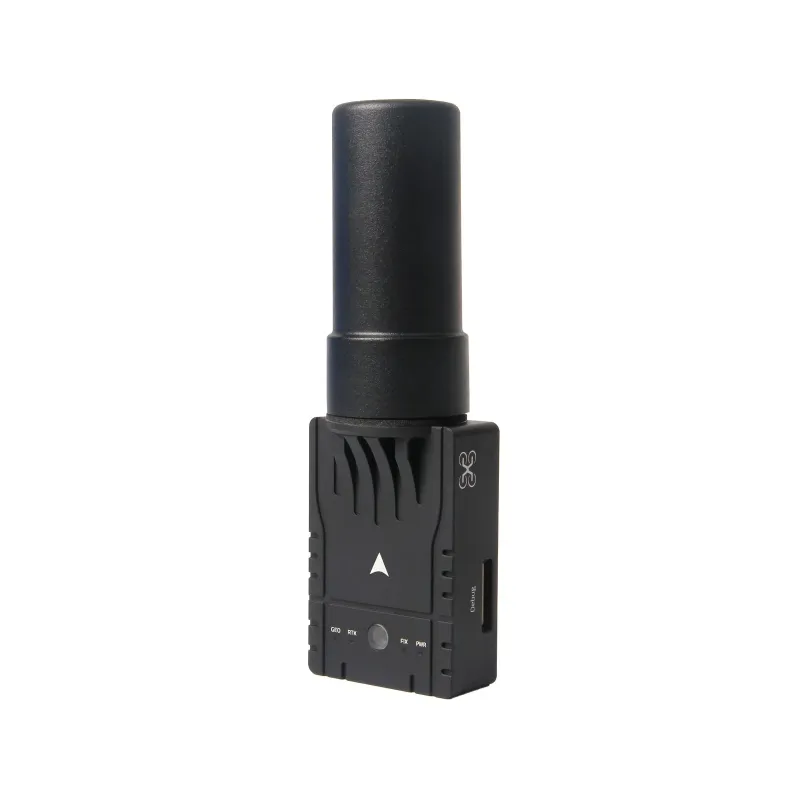
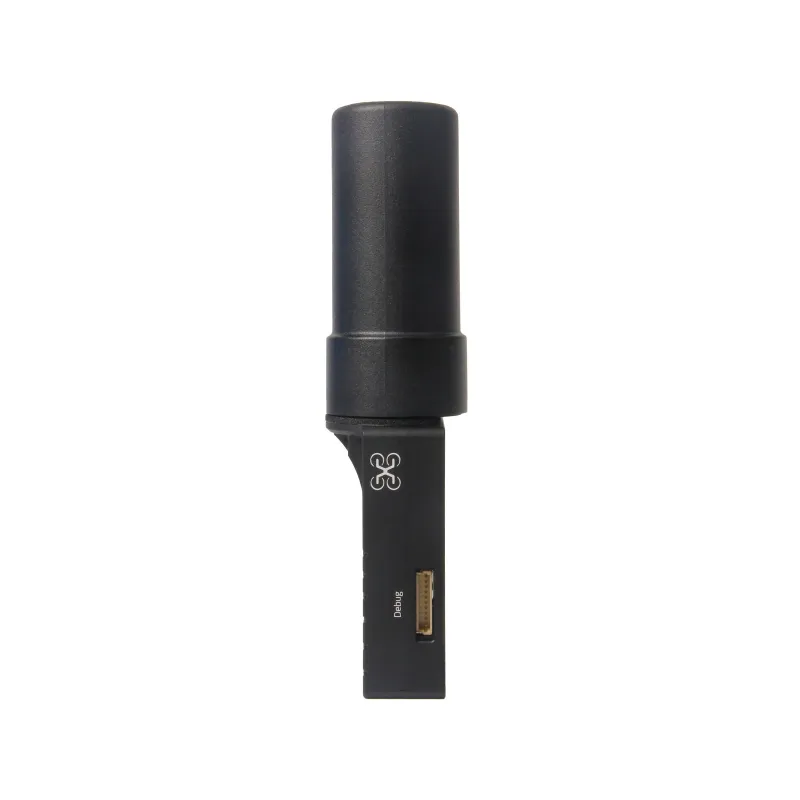
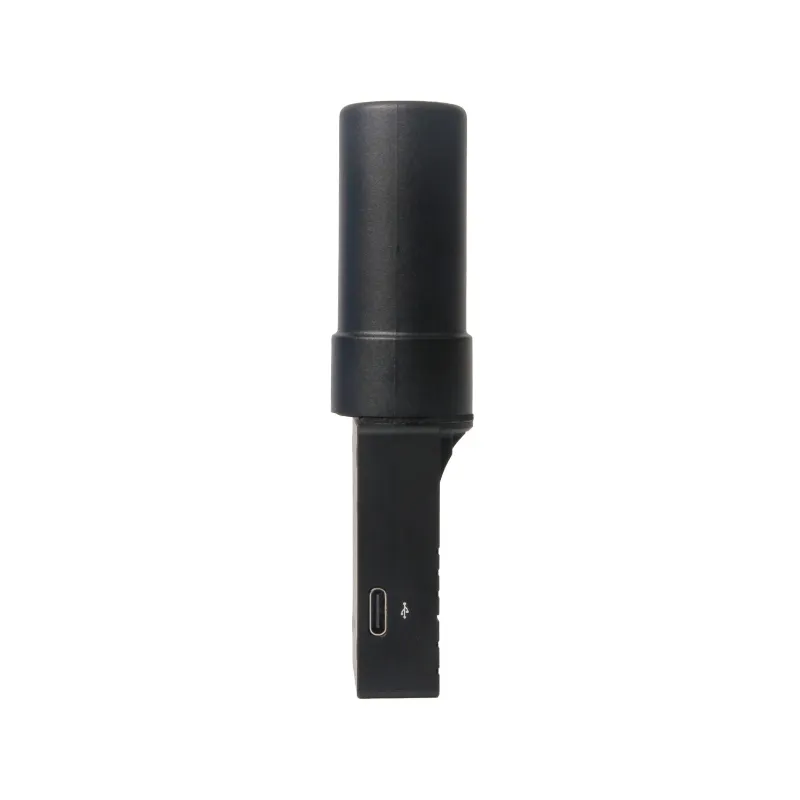
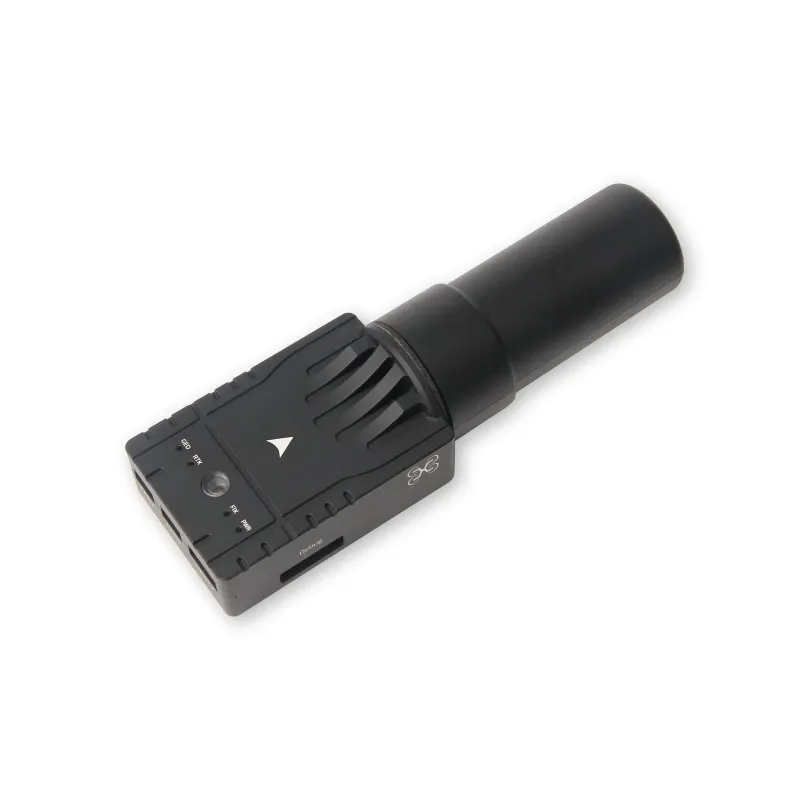
Holybro DroneCAN H-RTK F9P Helical is a Holybro catalog item in GNSS & RTK Navigation. Review the model details below and request compatibility and supply information for civilian use.
| Brand | Holybro |
|---|---|
| Model | DroneCAN H-RTK F9P Helical |
| Manufacturer SKU | 12037 |
The DroneCAN H-RTK F9P is the latest differential high-precision GNSS positioning system from Holybro. It has adopted the DroneCAN protocol for communication. It provides multi-band RTK with fast convergence times and reliable performance, concurrent reception of GPS, GLONASS, Galileo, and BeiDou, and a fast update rate for highly dynamic and high-volume applications with centimeter accuracy. With the adoption of the DroneCAN Protocol, it has up to an 8 Hz navigation update rate, upgradeability, noise immunity, and real-time features, and is more robust than UART due to its increased resistance to electromagnetic interference. It does not occupy any serial port of the flight controller, and multiple CAN devices can be connected to the same CAN bus via a hub. The DroneCAN-F9P uses a u-blox ZED-F9P module, an IST8310 (legacy: BMM150) compass, and a tri-colored LED indicator, and is equipped with the STM32G4 processor running at 170 MHz with 512 KByte Flash and 96KByte RAM. It supports DroneCAN firmware upgrades via the DroneCAN GUI Tool. It is compatible with the open-source Pixhawk series flight controller.
Now supports software toggle for CAN termination resistance
RTK Testing & Comparison: Big GPS Round Up by Andrew Tridgell (Ardupilot)
The Status LED driver has changed. This LED is supported in PX4 1.14, ArduPilot 4.4.4 & later. (More info)
We have designed two models of DroneCAN H-RTK F9P for you to choose from, each with a different size and antenna design to meet different customer needs.
For other technical details and user guide, please see the Documentation Page here
RTK Testing & Comparison by Andrew Tridgell (Ardupilot)
User Guide: Setup & Getting Started (Ardupilot)
User Guide: Setup & Getting Started (PX4)
GPS Heading/Yaw (Aka Moving baseline) Guide
Package Included:
1x DroneCAN F9P Helical
1x High Precision Dual Band Helical Antenna (L1/L2)
1x GH 4P cable 400mm
1x GH 4P cable 150mm
1x GH 6P cable 150mm
1x SH 10P cable 150mm
1x USB (type-c) cable
| DroneCAN F9P RoverThe Rover model has a flatter profile and stronger water resistance. It uses a dual-band patch antenna and comes with an integrated cable to connect to the CAN bus. It excels in spaces where there are few obstructions.You can find the purchase link for this product here | |
| DroneCAN F9P HelicalThis model uses a helical antenna, which has slightly better performance in space with obstructions than the Rover version. The antenna of this module can either be attached to the module directly or connected via a SMA cable, giving you the ultimate flexibility. It also has a UART2 port exposed, allowing you to do YAW/Heading (aka moving baseline).You can find the purchase link of this product hereThis model can be used either on the rover (aircraft) or as a base station. However, when used as a Base Station, RTK communicates with the Ground Control Station via USB, so the DroneCAN protocol is not used. You can consider using the standard H-RTK F9P Helical or Base for your Base Station. |
| DroneCAN H-RTK F9P Rover | DroneCAN H-RTK F9P Helical | |
| Intended Application | Rover (aircraft) only | Rover (aircraft) or Base station |
| GNSS Receiver | U-blox ZED-F9P high-precision GNSS module | U-blox ZED-F9P high-precision GNSS module |
| Antenna | Ceramic Patch Antenna with 20dB LNA | Helical Antenna with 36dB LNA |
| Processor | STM32G473 | STM32G473 |
| Magnetometer | BMM150 or IST8310 | BMM150 or IST8310 (current) |
| GNSS | BeiDou, Galileo, GLONASS, GPS / QZSS | BeiDou, Galileo, GLONASS, GPS / QZSS |
| GNSS Band | B1I, B2I, E1B/C, E5b, L1C/A, L1OF, L2C, L2OF | B1I, B2I, E1B/C, E5b, L1C/A, L1OF, L2C, L2OF |
| Positioning accuracy | 3D FIX: 1.5 m / RTK: 0.01 m | 3D FIX: 1.5 m / RTK: 0.01 m |
| Communication Protocol | DroneCAN 1Mbit/s | DroneCAN 1Mbit/s |
| Antennas Peak Gain (MAX) | L1: 4.0dBi L2:1.0 dBi | L1: 2dBi L2: 2dBi |
| Time-TO-First Fix | Cold start: ≤29s Hot start: ≤1s | Cold start: ≤25s Hot start: ≤1s |
| Navigation Update Rate | RAW: 20Hz Max RTK: 8Hz Max | RAW: 20Hz Max RTK: 8Hz Max Moving Base RTK: 5Hz Max |
| Cable Length | 27cm or 50cm | N/A |
| Antenna Connection Type | N/A | Board: SMA female Antenna: SMA male |
| Working voltage: | 4.75V~5.25V | 4.75V~5.25V |
| Current Consumption | ~250mA | ~250mA |
| Dimensions | Diameter: 80mm Height: 20mm | Board: 51.1*35*22.9mm Antenna Diameter: 27.5mm Antenna height: 59mm |
| Weight | 123g | 61.2g |
| Operating Temperature | -20℃ to 85℃ | -20℃ to 85℃ |
Availability, price, package contents and hardware revision are confirmed on inquiry. This listing does not assert local stock, a delivery date or official distributor status. Confirm voltage, connectors, firmware and operating requirements before use.
These guides explain the setup, safety checks and accessory choices that usually matter for this product type.
A practical path for new pilots: Trainer, Glider, Warbird, 3D, EDF Jet, ARF, PNP, RTF, power system, radio gear and what to verify before buying.
The complete starter list: aircraft, transmitter, receiver, batteries, charger, servos, adhesives, tools, voltage meter and field essentials.
A simple glossary for new pilots covering the terms they meet on product pages, manuals and setup conversations.
A repeatable inspection routine for control direction, radio range, failsafe, battery, fasteners, propeller, CG and field readiness.
A practical Israeli customer guide for sending models for inspection, diagnosing damage, ordering parts and deciding what can be repaired.
We use essential cookies to operate the store. Optional cookies are used only with your consent. You can read the full policy here.