Mandatory pre-flight checks for safer RC flying
A repeatable inspection routine for control direction, radio range, failsafe, battery, fasteners, propeller, CG and field readiness.
Inspect before connecting power
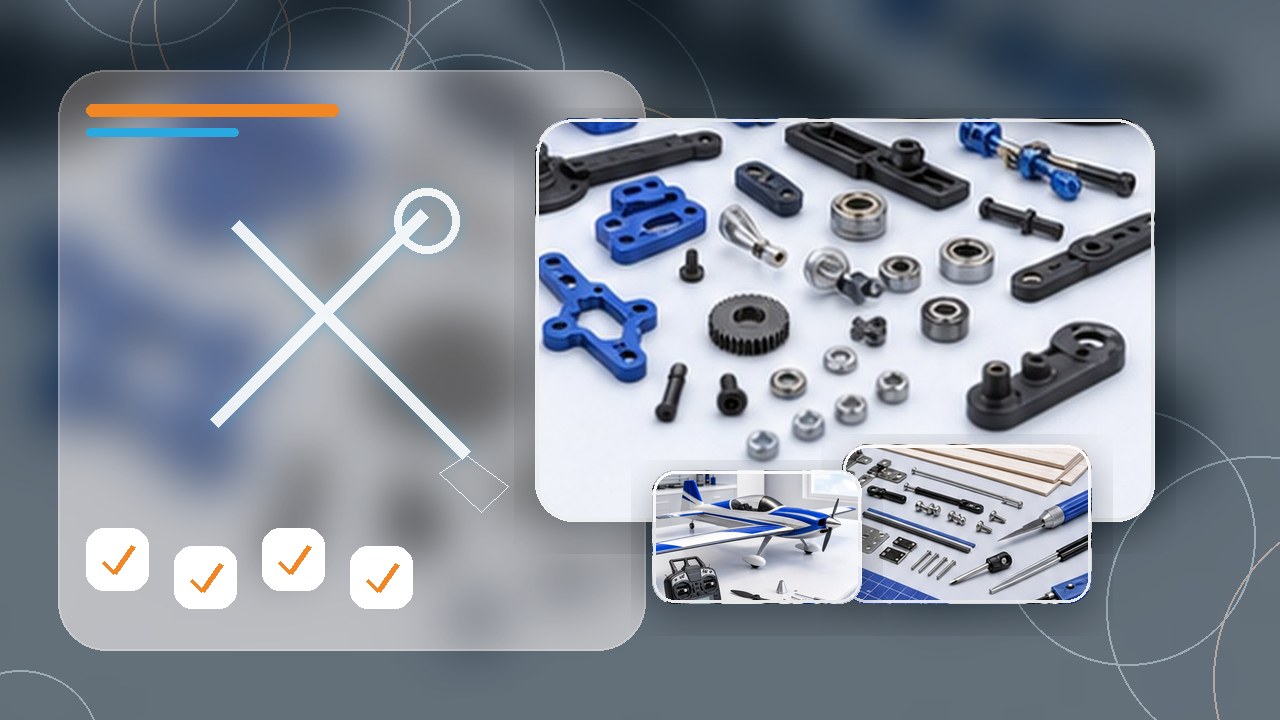
Look for cracks, loose hinges, damaged propellers, loose landing gear, swollen batteries and disconnected linkages before the model is armed.
Small mechanical problems are easier to fix on the bench than after takeoff.
Control direction is never assumed
Every flying day should include a control direction check. Confirm elevator, aileron, rudder, throttle, flaps and any stabilizer modes.
After radio programming changes, bind changes or receiver replacement, repeat the check carefully.
Radio range and failsafe protect the model
Range checks are most important on new models, after repairs, after receiver changes and whenever reception behavior feels unusual. Antenna placement should be verified before the model is closed up.
Failsafe should be intentional: electric models normally need safe throttle behavior, and fuel models need clear throttle or ignition behavior during signal loss.
Battery, screws, propeller and CG are final gate checks
Confirm flight battery voltage, receiver voltage where relevant, battery retention, propeller condition, spinner fit and all critical fasteners. A loose propeller, weak receiver pack or loose wing bolt is enough to cancel the flight.
Check CG with the actual flight battery installed. A small battery position change can move balance enough to change takeoff and landing behavior.
Field checklist
- Airframe, wing and hinges inspected
- Propeller and spinner checked
- Battery voltage and retention confirmed
- Screws and wing bolts checked
- Controls move in correct direction
- Radio range checked when needed
- Failsafe verified
- CG checked with flight battery installed
- Tools and spares packed
Common questions
Do I need a checklist for a small model?
Yes. Small models still fail from loose parts, wrong control direction or weak batteries. A short routine prevents many issues.
When should I range check?
Range check new models, after radio changes, after repairs and whenever reception behavior seems unusual.
What should stop a flight?
Cracked propeller, reversed controls, weak receiver battery, loose surfaces, damaged linkage or any unexplained radio issue.
Relevant products from the catalog
Use these links as the practical buying path after reading the guide: aircraft, power system parts, tools and spares that usually complete the setup.