Post-flight maintenance for RC aircraft
What to check after flying: cleaning, cracks, loose screws, battery condition, motor temperature, servo movement and notes for next flight.
Clean and inspect while the flight is fresh
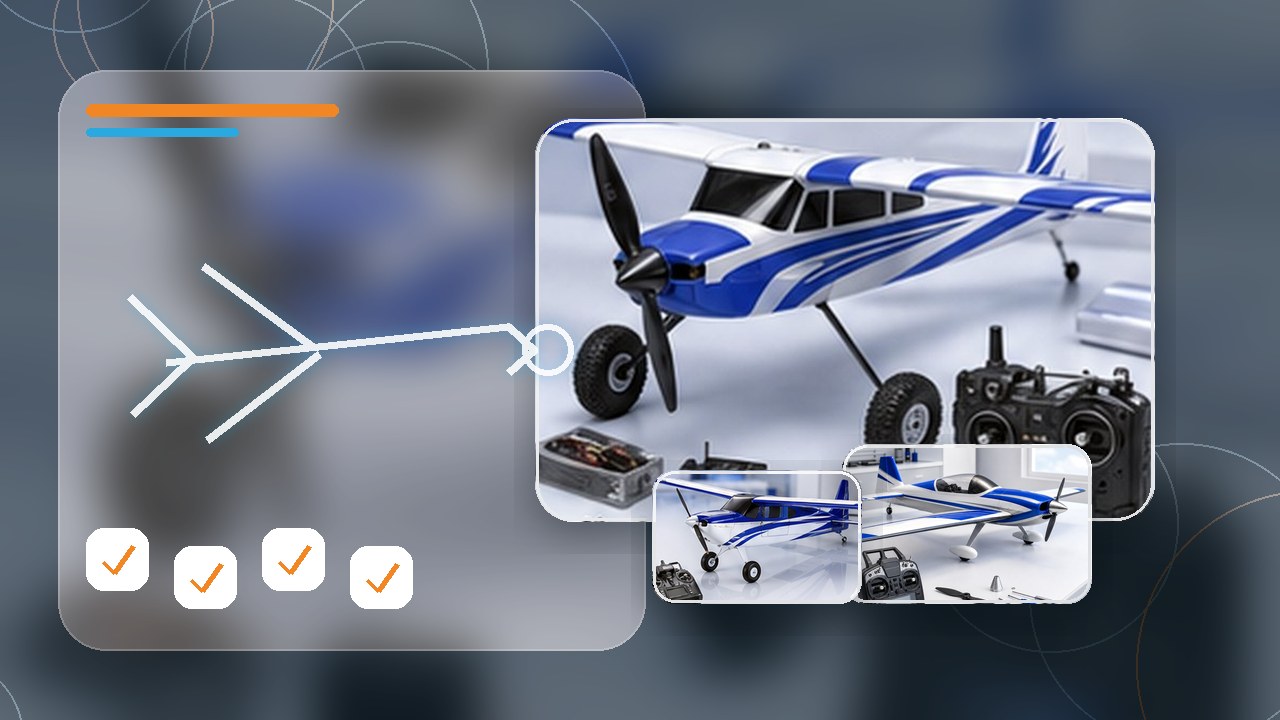
After flying, remove dirt, oil, grass and dust from the model. Cleaning is not cosmetic only; it reveals cracks, loose covering, fuel residue, worn hinges and landing gear damage.
Inspect the wing, fuselage, tail, landing gear, propeller, spinner and canopy before packing the model away.
Heat and movement tell the story
Check motor, ESC and battery temperature after normal flying. Warm can be normal, but very hot electronics point to overload, poor cooling or a setup that needs attention.
Move each control surface by hand with power off and then check servo movement with power on. Binding, buzzing, slow return or unusual noise should be fixed before the next flight.
Small notes prevent repeat problems
Write down trim changes, battery performance, flight time and anything that felt different in the air. These notes make future troubleshooting much faster.
Recharge or storage-charge batteries according to your next flying plan, and mark any part that needs repair before the model goes back to the field.
After-flight checklist
- Airframe cleaned
- Cracks and covering checked
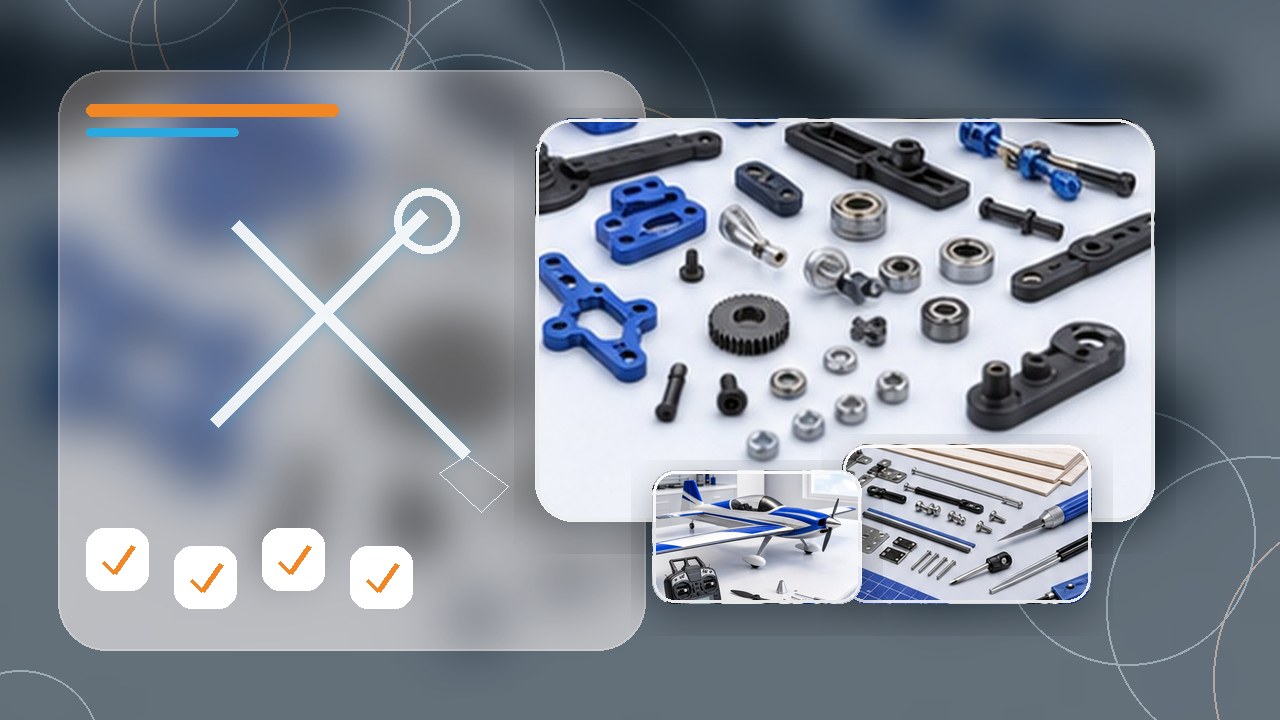
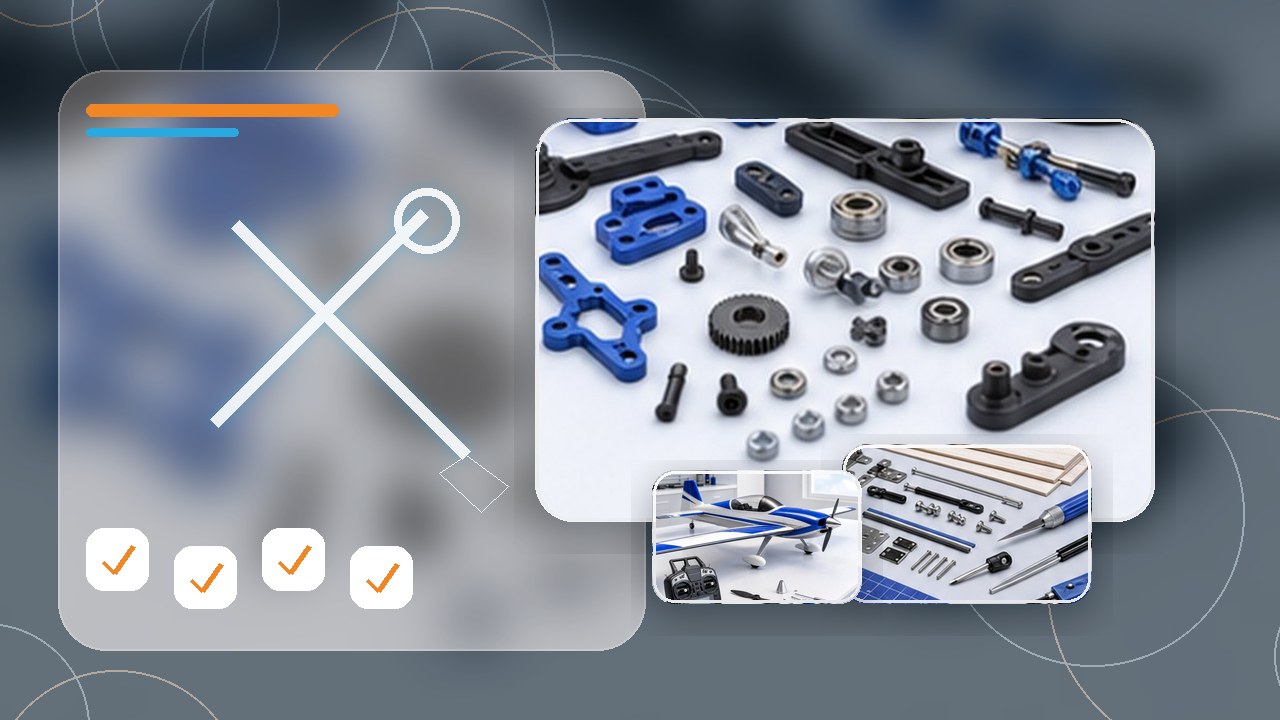
- Screws and landing gear inspected
- Propeller and spinner inspected
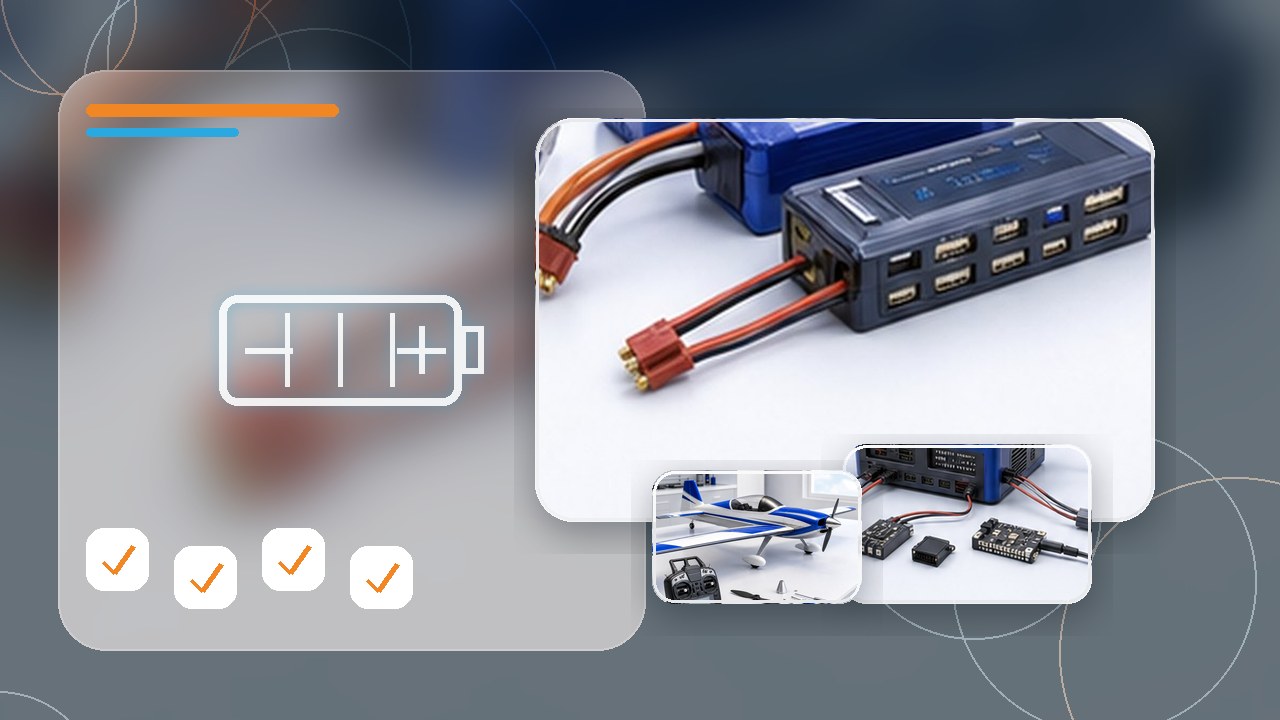
- Battery temperature and voltage checked
- Motor and ESC temperature checked
- Servo movement checked
- Repair notes recorded
Common questions
Should I inspect the model after every flight day?
Yes. A short post-flight inspection catches loose parts and small cracks before they become failures on the next flying day.
What temperature is too hot?
If you cannot comfortably touch the motor, ESC or battery, treat it as a warning and check load, cooling and current before flying again.
Why write flight notes?
Notes connect symptoms to the exact battery, propeller, weather and setup, which makes future service and buying decisions much easier.
Relevant products from the catalog
Use these links as the practical buying path after reading the guide: aircraft, power system parts, tools and spares that usually complete the setup.