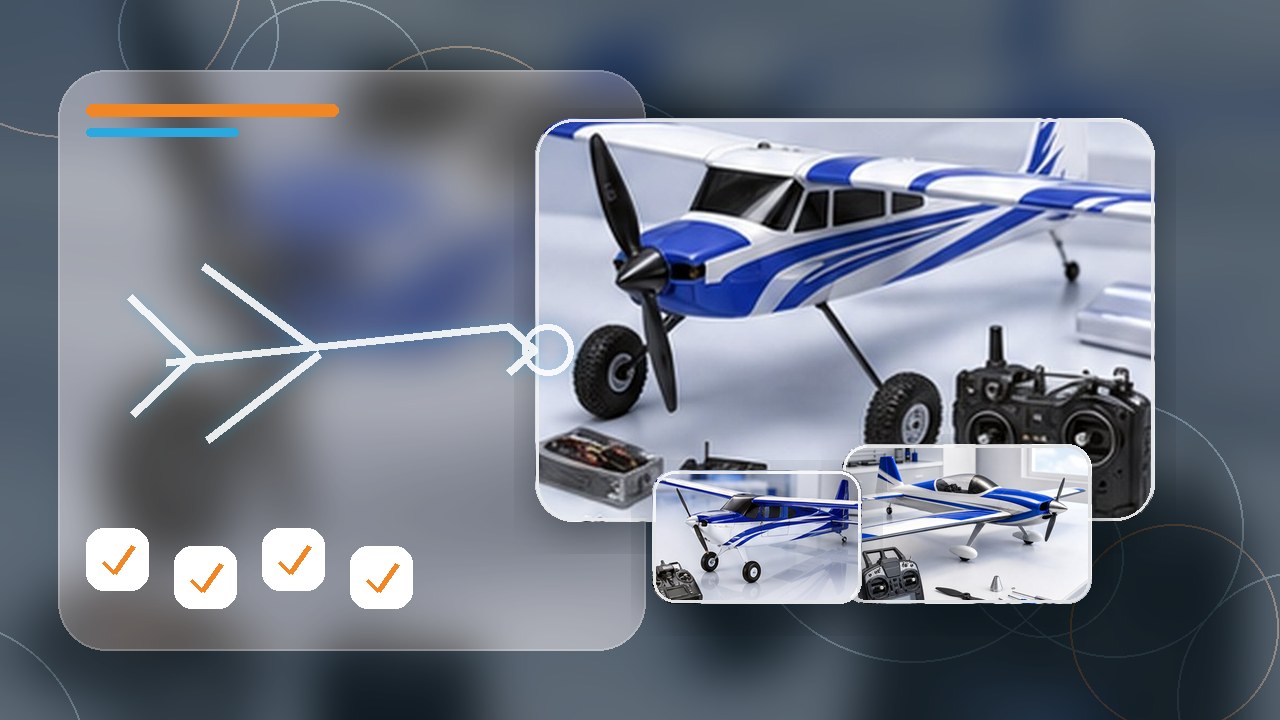
Gas vs electric RC aircraft: which is better?
A practical comparison of electric and gas RC aircraft by cost, maintenance, noise, field equipment, flight time, power and customer experience.
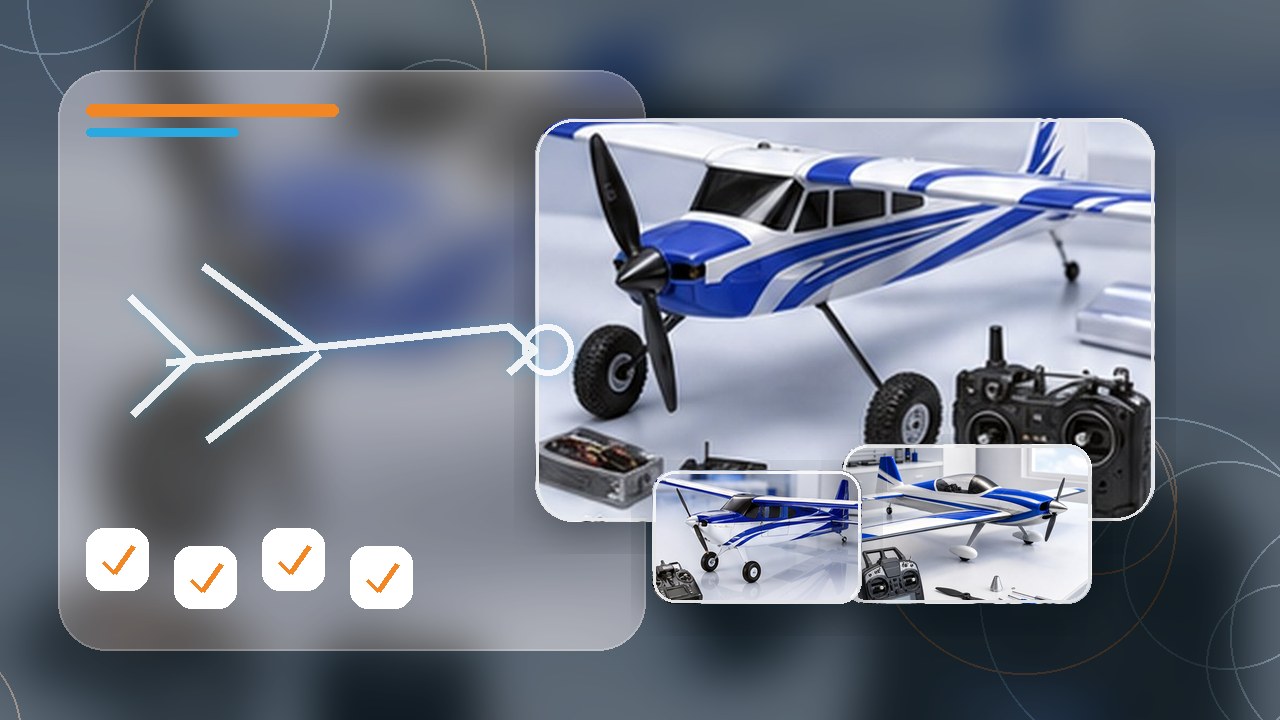
The best choice depends on how the customer flies
Electric aircraft are clean, convenient and easy to repeat flight after flight. Gas aircraft can deliver longer flights, scale sound and strong performance in larger models, but they add fuel, ignition and tuning work.
Before recommending either path, ask about field rules, noise limits, charging access, transport space, maintenance confidence and model size.
Costs appear in different places
Electric setups often put more cost into batteries and chargers. Gas setups add engine support equipment, fuel system parts, ignition batteries, propellers and maintenance items.
Customers should compare the full system, not only motor price versus engine price.
Convenience versus character
Electric is usually easier for short sessions and beginners. Gas has a mechanical feel that many experienced pilots enjoy, especially in large scale aircraft.
Neither is automatically better. The right recommendation is the one the customer can operate safely and consistently.
Gas and electric comparison
Use this table to guide the conversation before choosing motor, ESC, battery, engine or support equipment.
| Factor | Electric | Gas |
|---|---|---|
| Setup | Fast, clean and repeatable | Requires fuel system, ignition and engine tuning |
| Noise | Usually quieter and field-friendly | More sound and presence, but field limits matter |
| Flight time | Limited by battery capacity and current draw | Often longer with suitable tank and engine setup |
| Maintenance | Battery care, connectors, cooling and prop checks | Fuel lines, tuning, vibration, ignition and cleaning |
| Best fit | Beginners, smaller models, EDF, gliders, convenience flying | Large scale, long sessions, pilots who enjoy engine operation |
Before choosing gas or electric
- Check field noise and engine rules
- Compare total system cost
- Plan charging or fuel support
- Confirm model size and power recommendation
- Consider maintenance comfort
- Check transport and storage safety
- Choose propeller and accessories with the system
Common questions
Is electric always cheaper?
Not always. Electric can require several batteries and a good charger. Gas adds fuel and engine support equipment. Compare the full system.
Is gas better for Giant Scale aircraft?
Gas is common in Giant Scale because it offers good endurance and character, but high-power electric setups can also work when batteries and power systems are planned correctly.
Which is better for beginners?
Electric is usually easier for beginners because startup, cleanup and maintenance are simpler.
Relevant products from the catalog
Use these links as the practical buying path after reading the guide: aircraft, power system parts, tools and spares that usually complete the setup.