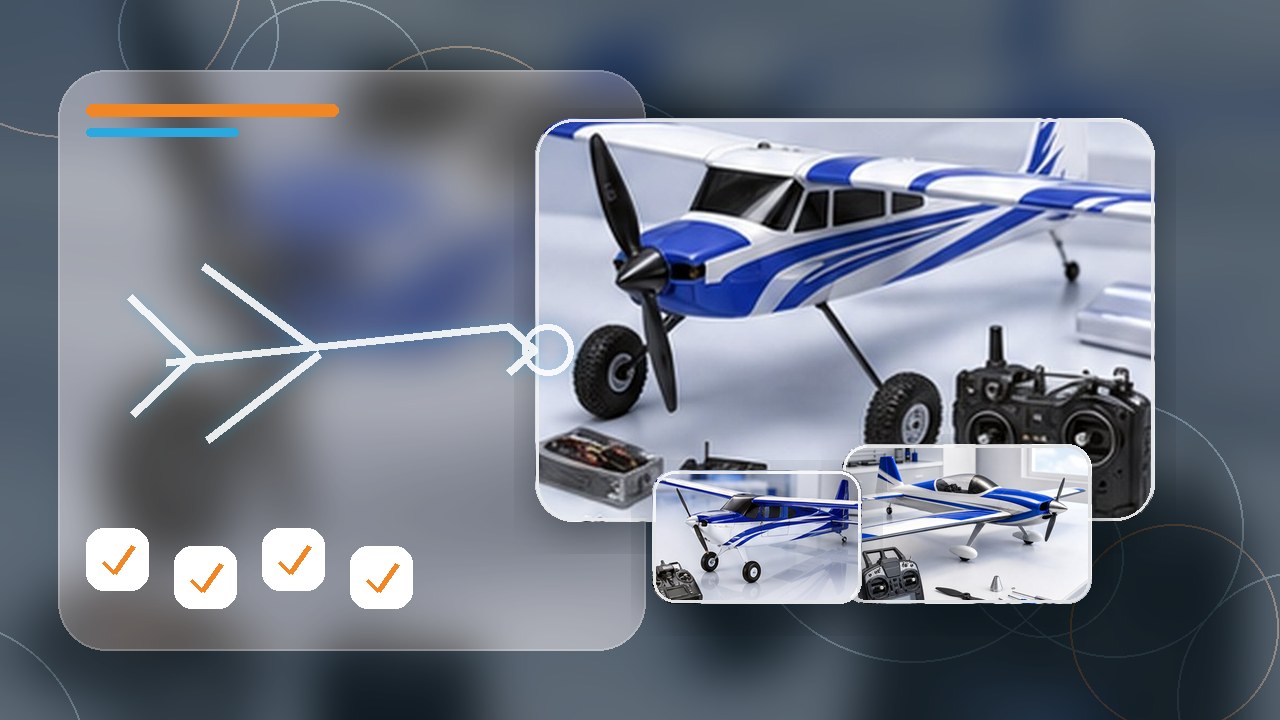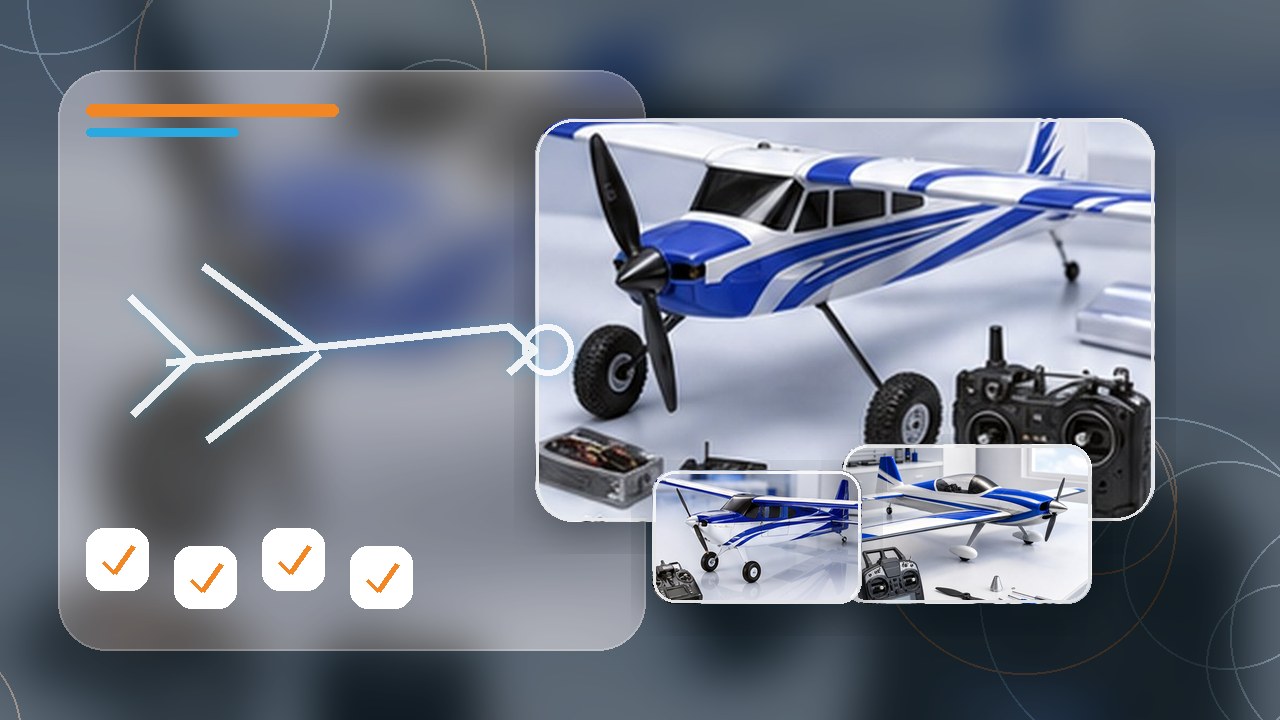
Foam vs balsa RC aircraft: pros and cons
A clear buying comparison for beginners and advanced pilots: repairability, flight feel, durability, finish, weight, cost and long-term ownership.

Foam is convenient and forgiving
Foam aircraft are popular because they are light, quick to assemble and often easier to repair after small beginner mistakes. Many pilots get more flying days because the model is simple to maintain.
Foam can dent, warp in heat or suffer from rough handling, so storage and glue choice still matter.
Balsa rewards careful setup
Balsa and plywood aircraft often feel crisp, accurate and more traditional in the air. They can be strong, elegant and better suited to larger ARF and scale models.
Repairs usually require more craft: alignment, covering, epoxy, CA, replacement wood and patience. For some customers that is part of the hobby.
Choose by ownership style
A customer who wants easy learning, quick repairs and low workshop effort may prefer foam. A customer who enjoys building, finishing and precise airframes may prefer balsa.
The best sales advice is to match the material to the customer personality and support the purchase with the correct adhesives and hardware.
Foam and balsa comparison
Both materials can be excellent. The difference is how the customer wants to fly, repair and maintain the model.
| Factor | Foam | Balsa / wood |
|---|---|---|
| Beginner use | Often easier and faster to repair | Works well with guidance and careful assembly |
| Flight feel | Light and forgiving, sometimes less precise | Crisp, traditional and often more accurate |
| Repairs | Foam-safe glue, tape and simple reinforcement | CA, epoxy, covering, wood parts and alignment work |
| Finish | Molded shapes and practical appearance | Premium covering and scale finish potential |
| Storage | Protect from heat and crushing | Protect from moisture, hangar rash and covering damage |
Material choice checklist
- Match material to repair confidence
- Buy the correct glue for foam or wood
- Check spare parts availability
- Consider transport and storage conditions
- Check model weight and wing loading
- Plan covering or reinforcement supplies if needed
Common questions
Is foam only for beginners?
No. Many advanced models are foam, especially EDF jets and convenient electric aircraft. Foam is practical, not automatically basic.
Is balsa too hard for a first model?
Not always, but balsa needs more careful repair and setup. A beginner with guidance can succeed with the right balsa trainer.
Can I use regular CA on foam?
Only if the foam type allows it. Many foam models require foam-safe adhesive.
Relevant products from the catalog
Use these links as the practical buying path after reading the guide: aircraft, power system parts, tools and spares that usually complete the setup.