How to fly RC aircraft in wind
When not to fly, how to land into the wind, what gusts do to a model and why wind can be dangerous for beginners.
Wind limits depend on pilot and model
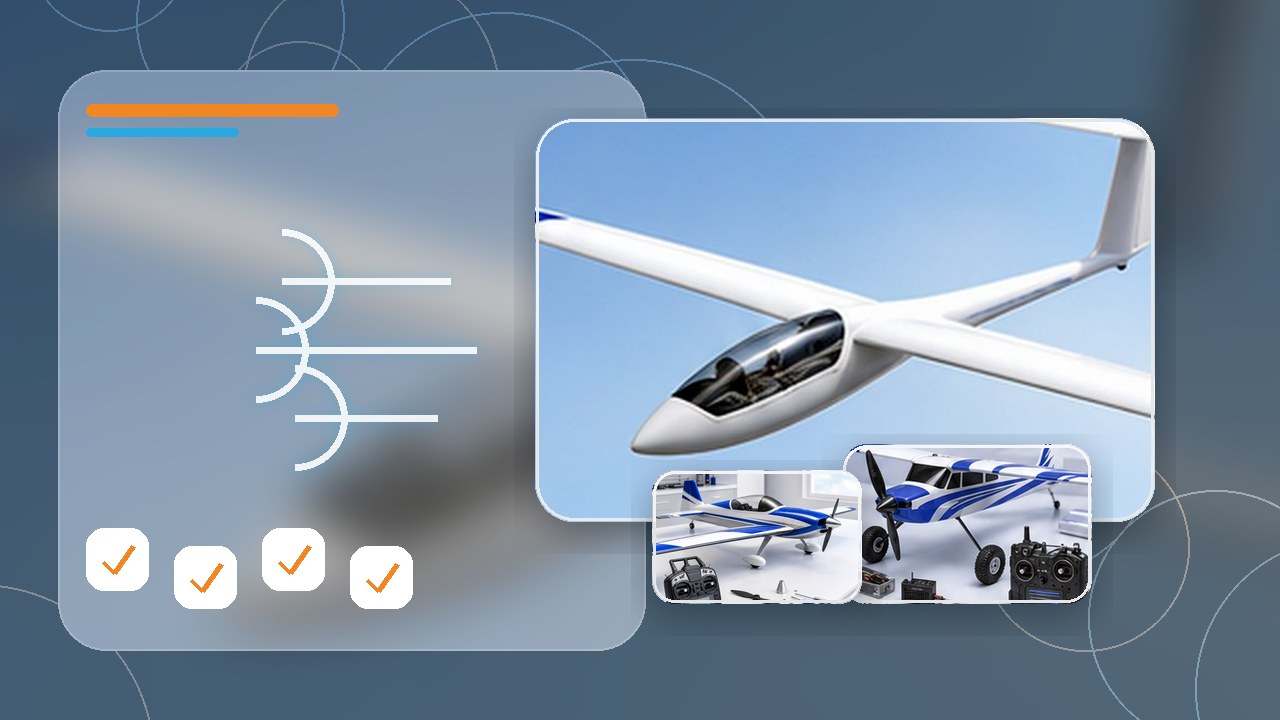
A heavy sport model, glider, trainer and small foam aircraft handle wind very differently. The safe limit depends on aircraft size, wing loading, power, pilot skill and landing area.
Beginners should choose calm conditions. If the model is being pushed around on the ground or the pilot feels rushed before takeoff, waiting is the smarter decision.
Take off and land into the wind
Flying into the wind reduces ground speed during takeoff and landing, giving more control margin. Downwind takeoffs and landings can look smooth at first but become fast and unforgiving.
On final approach, manage airspeed, not only ground speed. A model can appear slow over the ground while still flying safely into a strong headwind.
Gusts, turbulence and crosswind need margin
Gusts can raise or drop lift suddenly. Trees, buildings, hills and parked cars can create turbulence that is worse near the ground.
If crosswind is strong, use a different landing direction when possible or do not fly. Forcing a landing in turbulent crosswind is a common way to damage a good model.
Wind flying checklist
- Wind direction checked
- Gust strength considered
- Pilot skill honestly assessed
- Takeoff direction into wind
- Landing direction into wind
- Turbulence sources identified
- Extra landing margin planned
- Flight cancelled if conditions exceed comfort level
Common questions
How much wind is too much for a beginner?
There is no universal number. If the pilot cannot keep orientation calmly, hold a stable approach or land safely into wind, it is too much.
Why is downwind landing dangerous?
Ground speed is higher downwind, so the model covers distance quickly and needs more room. It is easier to overshoot or stall while trying to slow down.
Are gusts worse than steady wind?
Often yes. Steady wind can be managed with planning, while gusts change lift and attitude suddenly, especially near the ground.
Relevant products from the catalog
Use these links as the practical buying path after reading the guide: aircraft, power system parts, tools and spares that usually complete the setup.