EDF Jet RC aircraft guide: power, batteries and landing speed
A practical guide to EDF jets: high current, ESC cooling, battery C rating, runway length, intake airflow, CG and landing planning.
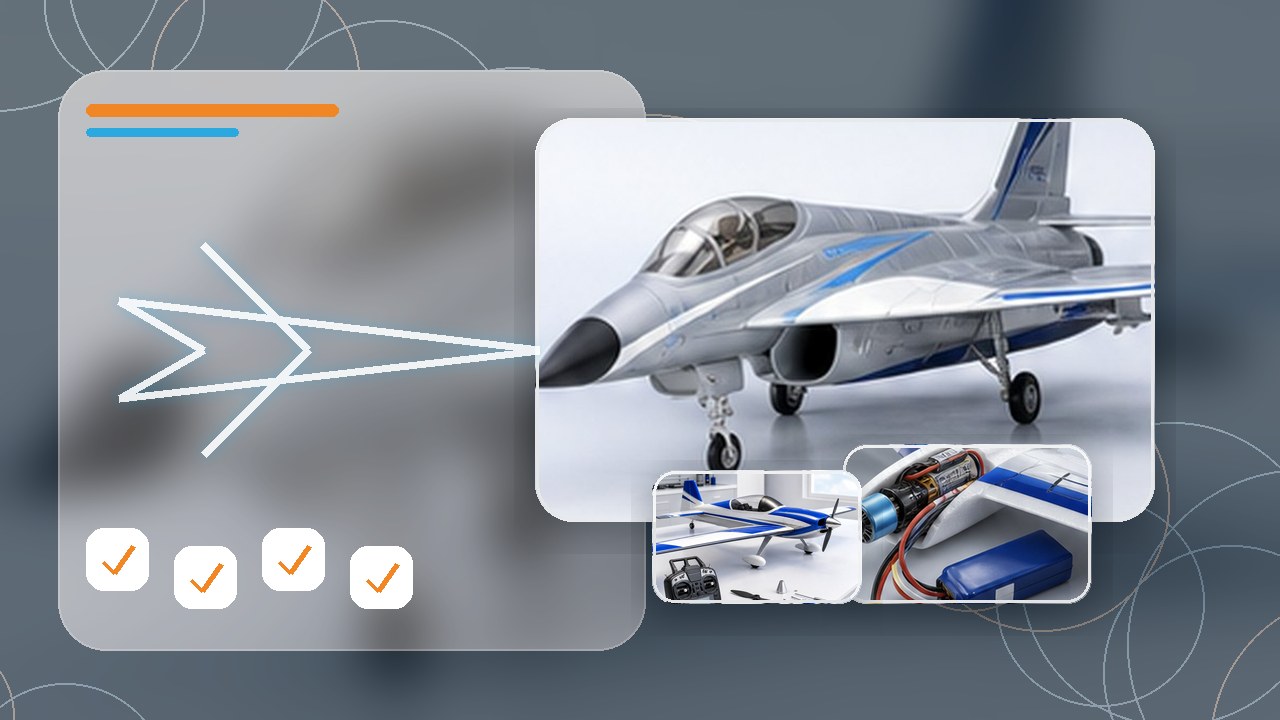
EDF jets are fast and power hungry
An EDF fan moves air differently from a propeller. It can deliver exciting jet performance, but it usually draws high current and offers less low-speed pull than a trainer or sport prop aircraft.
Customers should already be comfortable with fast approaches, orientation at distance and committing to landing plans before moving into EDF jets.
Battery and ESC sizing are central
EDF setups need batteries with suitable cell count, capacity, C rating, connector quality and cooling. A weak pack can sag under load, reduce thrust and heat the system.
ESC current rating should include headroom, and the ESC needs airflow. Sealed fuselages, long full-throttle runs and hot weather can expose marginal installations.
Airframe airflow affects performance
Intake lips, ducting, fan balance and exhaust path all affect power and sound. Damaged ducts, loose wires in the airflow or a poorly mounted fan can reduce performance and create vibration.
Keep the fan area clean and inspect the blades after foreign object contact. Small damage at high RPM matters.
Runway and landing speed decide suitability
Many EDF jets need a smoother runway, longer approach and more precise speed control than prop aircraft. Some can hand launch, but not every EDF is appropriate for hand launch or rough grass.
Set CG, control throws, rates and expo exactly as recommended for the first flights. A jet that is tail-heavy or overcontrolled on landing becomes difficult very quickly.
EDF jet buying checklist
- Pilot comfortable with fast aircraft
- Runway length and surface suitable
- Battery C rating and connector current checked
- ESC headroom and cooling planned
- Fan unit and ducting inspected
- CG and control throws documented
- Landing plan and low-rate setup prepared
- Spare fan parts or blades considered
Common questions
Is an EDF jet good for beginners?
Usually no. EDF jets are faster, use more current and give less time to correct mistakes than trainers.
Why is EDF flight time often short?
High current draw uses battery capacity quickly, especially with frequent full-throttle flying. Good throttle management helps.
Can every EDF jet be hand launched?
No. Hand launch depends on size, thrust, grip area, wing loading and pilot experience. Check the specific model before planning it.
Relevant products from the catalog
Use these links as the practical buying path after reading the guide: aircraft, power system parts, tools and spares that usually complete the setup.