What to do after an RC aircraft crash
A structured crash inspection for the airframe, wing, motor, motor shaft, ESC, servos, receiver and battery before deciding what can fly again.

Make the aircraft safe before touching the damage
Disconnect the battery as soon as it is safe. Keep clear of the propeller arc, even after a crash, because a damaged throttle signal or ESC can behave unpredictably.
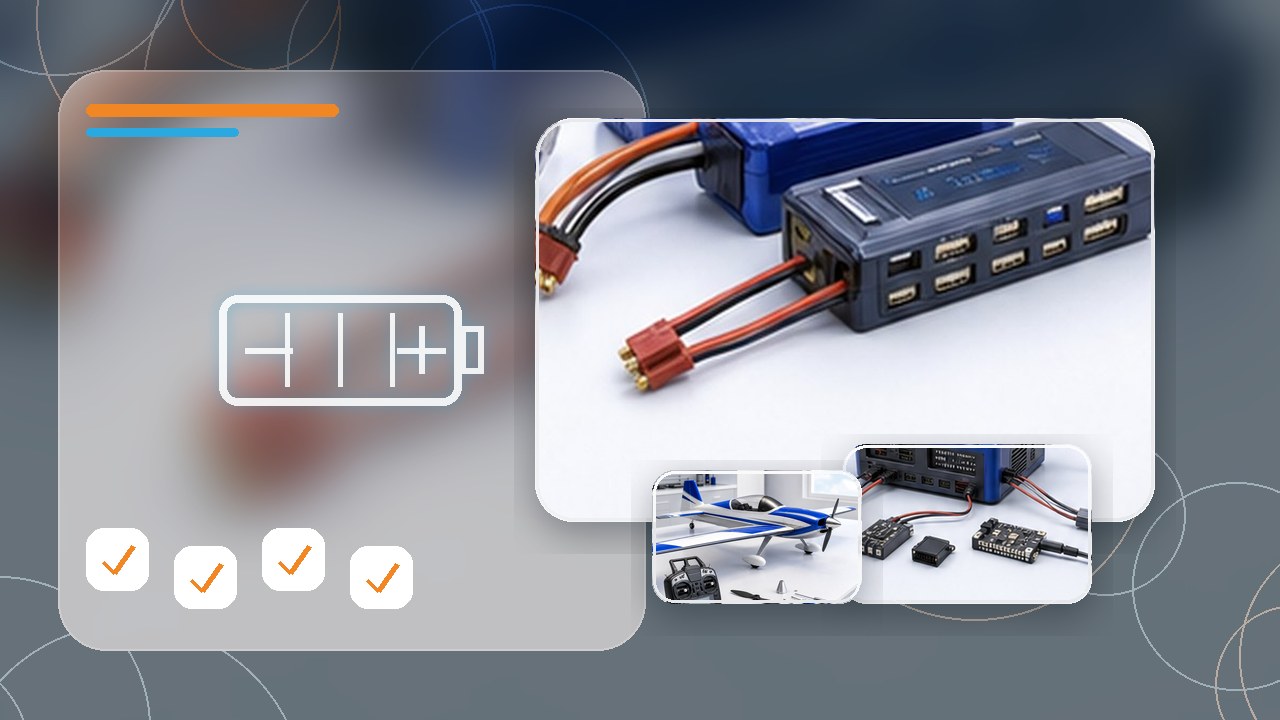
If a LiPo is crushed, swollen, hot, smoking or smells sweet or solvent-like, move it carefully to a safe non-flammable area and do not charge or reuse it.
Inspect the structure in load paths
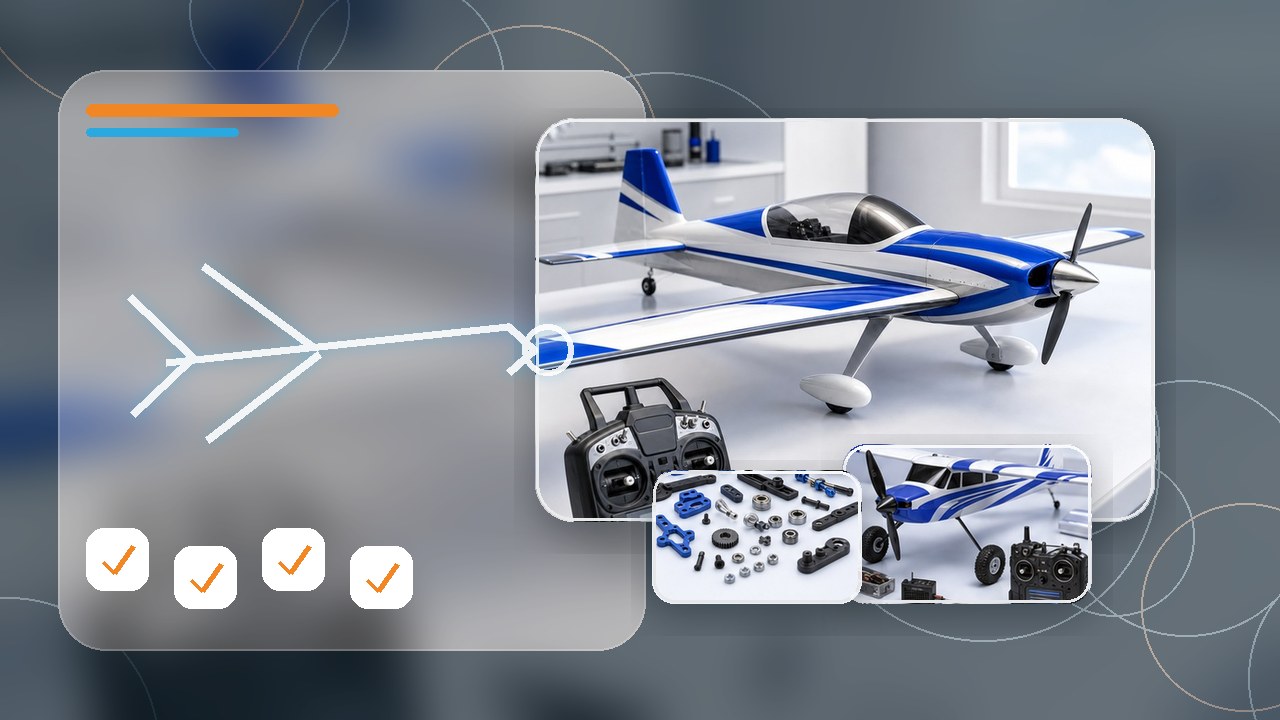
Check the nose, firewall, wing joiner, spar area, landing gear mount, tail surfaces, hinges and control horns. A crack in a load-bearing area matters more than a cosmetic dent.
Look for hidden delamination, crushed foam, loose blind nuts and covering wrinkles that reveal structure movement.
Check propulsion, radio and control parts before reuse
Remove the propeller and check motor shaft straightness, motor mount, spinner, ESC wires and connectors. A bent shaft or cracked propeller should not be flown.
Test each servo for stripped gears, buzzing, poor centering or high current. Check receiver antennas, switch harnesses and battery leads before trusting the model again.
Crash inspection checklist
- Battery disconnected safely
- LiPo inspected and isolated if damaged
- Wing, spar and joiner checked
- Firewall and motor mount checked
- Motor shaft and propeller checked
- ESC and wiring inspected
- Servos checked for gear damage
- Receiver and antennas inspected
- Full range and failsafe check completed before next flight
Common questions
Can I fly again after a light crash?
Only after a full inspection. Small crashes can still strip servo gears, crack a propeller, loosen a firewall or damage a battery lead.
How do I check for a bent motor shaft?
Remove the propeller and rotate the motor while watching the shaft or spinner adapter. Any visible wobble should be treated as a problem before flight.
Should a crashed LiPo be reused?
Only if it is clearly undamaged, balanced and behaves normally. Any swelling, puncture, heat, smell or crushed corner means it should be taken out of service safely.
Relevant products from the catalog
Use these links as the practical buying path after reading the guide: aircraft, power system parts, tools and spares that usually complete the setup.