3D and aerobatic RC aircraft guide
How to choose a 3D or aerobatic RC aircraft by servo torque, power-to-weight, CG, control throws, batteries, structure and pilot skill.
3D is about control authority
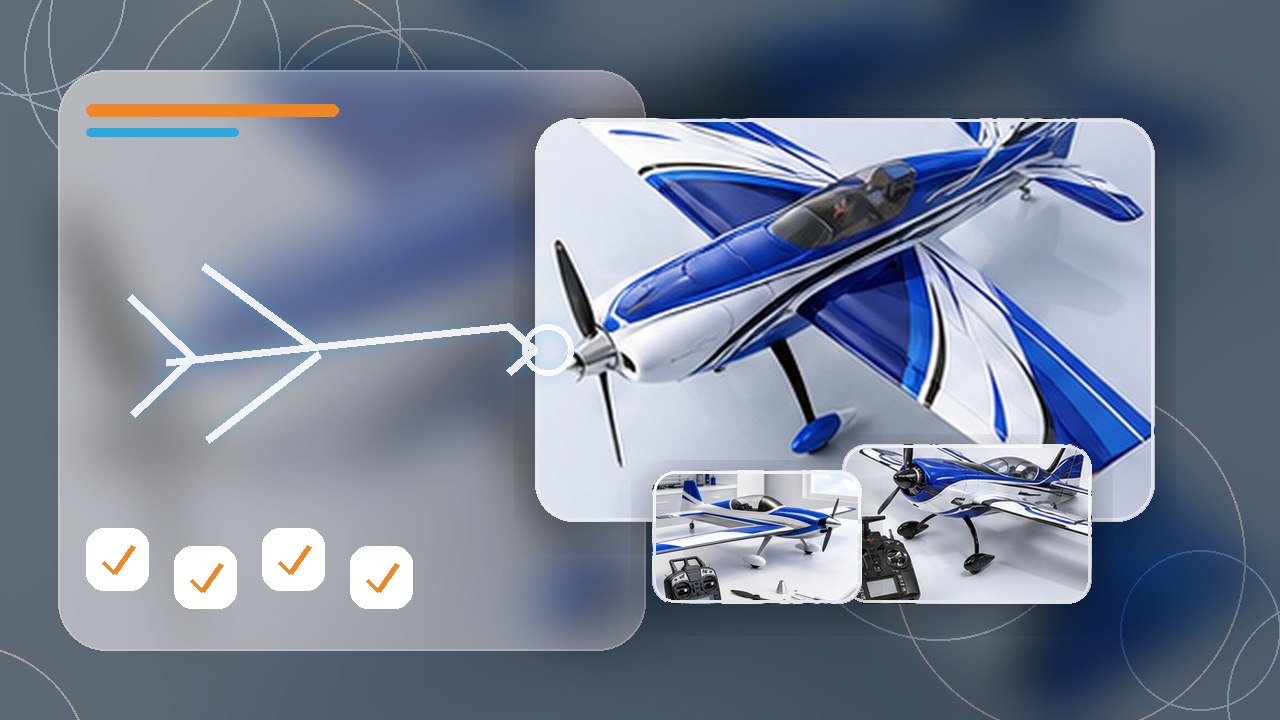
3D aircraft use large control surfaces, generous throws and light airframes to perform hovering, harriers, waterfalls, torque rolls and aggressive transitions. That capability depends on precise setup.
A sport aerobatic aircraft can be smoother and faster, while a full 3D model is built for extreme low-speed control. Customers should choose the style they really want to fly.
Servos are not a place to compromise
Large elevators, rudders and ailerons need servos with enough torque, speed, centering and gear strength. Weak servos create poor feel, flutter risk and unreliable control under load.
Use proper servo arms, ball links and linkage geometry. Radio travel should refine the setup, not compensate for a poor mechanical installation.
Power-to-weight and battery choice shape the model
3D flying usually needs strong thrust margin, fast throttle response and a battery that can deliver current without becoming too heavy. The same airframe can feel very different with the wrong pack.
ESC headroom, cooling, connector current rating and battery retention are critical because aggressive maneuvers create repeated high-load events.
Rates, expo and CG should be progressive
Most pilots should start with a low-rate sport setup and a separate high-rate 3D setup. Expo can make large throws usable without making center stick too sensitive.
Move CG carefully and document changes. A neutral or rearward CG may help advanced maneuvers, but it can make the aircraft less forgiving for a pilot still learning orientation.
3D and aerobatic checklist
- Pilot skill matches model aggressiveness
- Servo torque and speed sized with margin
- Metal gear or premium gear train selected where needed
- Power system supports target thrust
- Battery current and weight checked
- Low and high rates programmed
- Expo and failsafe configured
- Battery and canopy retention secured
Common questions
What is the difference between sport aerobatic and 3D?
Sport aerobatic models focus on clean patterns and precision. 3D models add extreme control authority for high-angle and low-speed maneuvers.
Can a beginner buy a 3D aircraft?
It is better as a second or third aircraft with guidance. Large throws and sensitive setup can overwhelm a new pilot.
Why do 3D aircraft need strong servos?
The control surfaces are large and often used at high angles. Strong servos keep the surface where the pilot commands it under heavy aerodynamic load.
Relevant products from the catalog
Use these links as the practical buying path after reading the guide: aircraft, power system parts, tools and spares that usually complete the setup.